
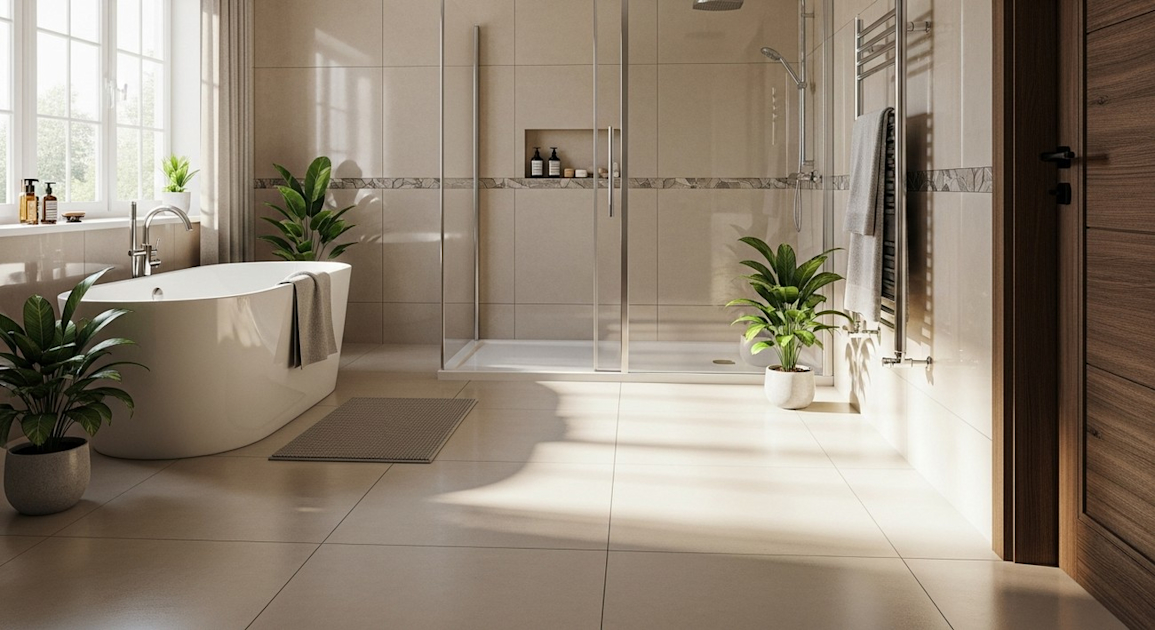


Heated bathroom floors, often referred to as radiant floor heating, have become a staple in modern home design. More than just a luxury, they offer several practical benefits, enhancing comfort, energy efficiency, and even home resale value. In this comprehensive guide, we'll delve into the intricacies of heated bathroom floors, detailing their functionality, benefits, installation processes, and more.
What Are Heated Bathroom Floors?
Heated bathroom floors utilize an underfloor heating system that provides warmth from beneath the surface, ensuring a toasty and comfortable experience every time you step into your bathroom. This system can operate through electric heating cables or hydronic heating systems that use warm water. These technologies efficiently distribute heat, making sure that every square inch of your bathroom floor radiates warmth.
How Do Heated Floors Work?
Electric Systems: These systems consist of electric heating cables installed under your floor tiles, connected to a thermostat. When switched on, the electricity heats the wires, which in turn warm the floor above.
Hydronic Systems: This method involves circulating warm water through a network of pipes under the floor, connected to a boiler or heating pump. Although more complex to install, hydronic systems are often more cost-effective for large spaces.
Benefits of Heated Bathroom Floors
Comfort and Luxury
Heated floors provide an unmatched level of comfort that transforms daily routines into an indulgent experience. The delight of stepping onto a warm bathroom floor is a simple pleasure that can significantly enhance the start or end of your day.
Energy Efficiency
Radiant floor heating is generally more energy-efficient than traditional heating methods. Since heat rises, warming the floor first ensures a more even distribution of heat, making your bathroom feel cozy without needing to crank up the thermostat excessively.
- Even heat distribution reduces the need for additional heating sources, potentially lowering utility bills.
- Systems can be operated at lower temperatures while achieving the same warmth output compared to forced air heating.
Health Benefits
Radiant floor heating can improve indoor air quality. Traditional heaters can stir up dust and allergens, but with heated floors, there’s no air circulation that can aggravate respiratory issues.
Increased Property Value
Heated bathroom floors are a coveted feature in real estate markets. Installing them can enhance your property’s value and appeal, making it a wise investment for homeowners looking to sell.
Installation Overview
Pre-Installation Considerations
Before installing a heated bathroom floor, several factors contribute to its success:
- Flooring Type: Tile and stone work best due to their heat conductivity properties, but many systems also accommodate vinyl and laminate.
- Insulation: Proper insulation is critical to maximize the efficiency of underfloor heating systems. Insulating below the heating elements prevents heat loss downward.
- Electrical Requirements: Electric systems need a dedicated circuit. Ensure your current wiring can accommodate this addition.
Installation Process
- Planning: Outline the installation area. Most systems allow room customizations, avoiding areas under cabinetry.
- Layout & Design: This involves organizing heating elements according to your bathroom’s layout, ensuring complete coverage without overlaps.
- Installation: Depending on the type of system, the installation process will vary.
- Electric Systems: Typically involve laying out mats or wires over subfloor before covering with a final flooring layer.
- Hydronic Systems: Involves more complex plumbing to install pipes for water circulation.
- Connection and Testing: Once the layout is complete, connect the system to a thermostat or boiler and conduct a thorough test before sealing over with your flooring choice.
- Final Flooring: Install the final layer, often tiles, ensuring a smooth and even surface.
Maintenance Tips
Heated floors are generally low-maintenance, but some care is needed to ensure their longevity:
- Regular Inspections: Periodically check floor temperatures and inspect visible connections.
- Thermostat Monitoring: Ensure the thermostat is functioning correctly, as faulty readings can lead to inefficiencies or damage.
- Professional Check-ups: Occasionally hiring a professional to review the system ensures any potential issues are addressed before they escalate.
Choosing the Right System for Your Bathroom
Deciding between an electric system and a hydronic system can be challenging. Here’s a simple breakdown to assist:
- Electric Systems: Best for smaller bathrooms and speedy installations. Ideal for renovations and can be installed at relatively lower costs.
- Hydronic Systems: More suited for larger spaces or entire home applications. Better for new builds due to the complexity of installation.
Design Considerations
Floor Material Choices
Choosing the appropriate flooring material is crucial for efficiency and aesthetics. Here are some popular choices:
- Ceramic and Porcelain Tiles: Excellent heat conductors; durable and water-resistant.
- Stone Floors: Conducts heat well; offers a natural and timeless look.
- Vinyl and Laminate: Lightweight and economical but require specific underlayment for heat transfer.
Aesthetic Appeal
Heated bathroom floors allow for seamless design without the need for radiator use or space constraints. This opens new design possibilities, from minimalist approaches to luxurious spa-like environments.
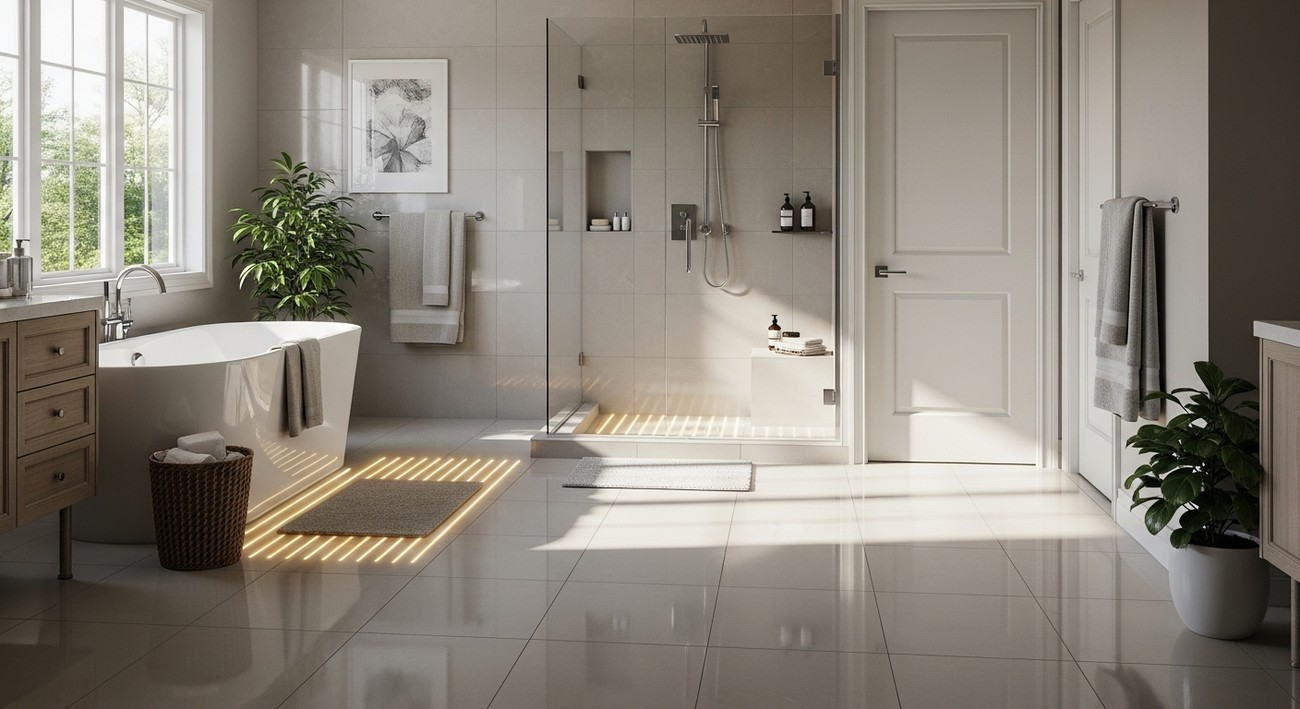
Heated Bathroom Floor FAQ
How does a heated bathroom floor work?
Heated bathroom floors use either electric or hydronic systems to provide warmth beneath your feet. In an electric system, heating mats or cables are installed beneath the floor tiles, usually embedded in thin-set or self-leveling cement. When turned on, these cables warm up, transferring heat to the floor surface. Hydronic systems, on the other hand, use a network of tubes to circulate heated water beneath the floor. Both methods effectively heat the tiles, offering a cozy, radiant warmth that enhances comfort, especially on chilly mornings or during cold seasons.
Are heated bathroom floors energy efficient?
Yes, heated bathroom floors are quite energy-efficient. Because they emit gentle, radiant heat directly to the room without needing to heat the air first, they use less energy than traditional heating systems such as forced air heaters. Moreover, the heat is concentrated where it is needed most—at the floor level—so there's minimal energy waste. Many homeowners find they can lower their thermostat settings for the rest of the house once a heated floor is installed, further conserving energy and reducing utility bills over time. Additionally, using programmable thermostats with these floors can optimize energy savings by controlling the heating schedule.
Can I install a heated bathroom floor myself?
While it's possible for a skilled DIY enthusiast to install a heated bathroom floor, especially with electric radiant floor heating systems, it's generally recommended to hire a professional. Installing these systems requires precise electrical work to ensure safe and efficient operation. An improperly installed heated floor can lead to electrical hazards, reduced system efficiency, or even damage to the heating elements or floor itself. If you're considering a hydronic system, professional installation is almost always necessary due to the complexity of plumbing and boiler integration.
How long does it take to install a heated bathroom floor?
The installation time for heated bathroom floors depends on various factors, including the system type, the size of the bathroom, and the project's complexity. For a small to medium-sized bathroom, electric radiant heating systems can generally be installed in a day or two. This includes the time needed to lay out the heating mats or cables, ensure proper electrical connections, and allow any necessary mortars or adhesives to set. Hydronic systems take longer to install due to the need for pipework and connections to a boiler system; thus, they may require several days to complete, especially if additional floor preparation is necessary.
How long does a heated bathroom floor last?
With proper installation and maintenance, heated bathroom floors can last for many years—often as long as the tile or flooring itself. Electric radiant floor heating systems generally have a lifespan of 25 years or more, mainly because they have no moving parts. Hydronic systems can also last a long time, though the boiler might require periodic maintenance or eventually need replacement after 15-20 years. Regular inspections and maintenance can further extend the lifespan, ensuring consistent performance over decades.
Can heated bathroom floors increase the value of my home?
Absolutely! Heated bathroom floors are considered a luxury feature that can enhance the value of your home. They offer an attractive selling point for potential buyers who appreciate the added comfort and efficiency. A heated floor system can make your home stand out in real estate listings and showings, providing that extra touch of luxury that buyers desire. Many real estate agents find that homes with this feature can sell faster and sometimes at a premium compared to similar properties without heated floors.
What types of flooring can be used with heated bathroom floors?
Various types of flooring can be paired with heated bathroom floors, but not all are ideal. Tile and stone are the most common surfaces used because they conduct heat well, ensuring efficient warmth distribution. Ceramic and porcelain tiles, as well as natural stones like marble and slate, are excellent choices. Some other flooring materials, like vinyl and laminate, can be used, but they need to be rated for heat compatibility to prevent damage or warping. Always consult with a flooring professional to ensure your chosen material is suitable for use with a heated floor system.
Is it safe to use heated bathroom floors in a wet environment?
Yes, heated bathroom floors are safe for use in wet environments like bathrooms when installed correctly. Electric systems are designed with safety measures, such as ground fault protection, to prevent electrical hazards. Furthermore, the mats and cables are sealed within the flooring layers, which protects them from moisture. Hydronic systems are inherently safe in wet areas since they use water-based heating. Always ensure your installation adheres to local building codes and guidelines for maximum safety.
How much does it cost to run a heated bathroom floor?
The cost to run a heated bathroom floor varies based on system type, energy rates, and usage patterns. On average, running an electric heated floor in a medium-sized bathroom might cost a few cents per hour. Monthly costs could range from $10-$50, depending on how often the system operates. Hydronic systems might have a slightly higher initial setup cost but can be more economical long-term if they are integrated with an existing energy-efficient boiler system. Using a programmable thermostat to manage heating schedules can further optimize running costs by ensuring the system only runs when needed.
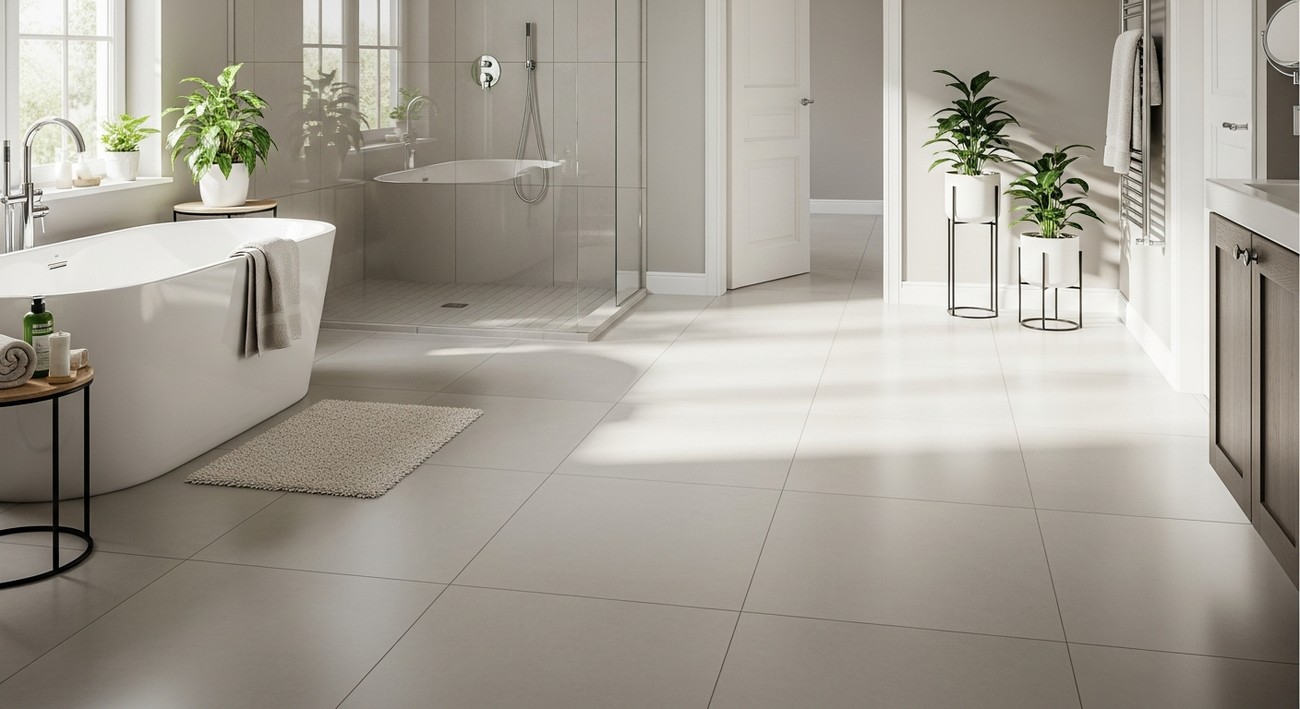
The Warm and Cozy World of Heated Bathroom Floors
Pros
Toasty Comfort Underfoot
Imagine stepping out of a steamy shower onto the welcoming embrace of a warm floor, instead of the usual icy cold tiles. Heated bathroom floors offer that unbeatable feeling of luxury straight out of a spa, right in the comfort of your own home. It’s like giving your feet a big, cozy hug every morning.
Energy Efficiency
You might be surprised to hear that heated floors can actually be energy-efficient. They provide consistent, even heat distribution, which can reduce your need for additional heating measures, especially in small spaces like bathrooms. Unlike radiators or baseboard heaters that rely on heating the air first, radiant floor heating warms people and objects directly, which can be more efficient in terms of energy use.
Improved Air Quality
Since heated bathroom floors rely on radiant heat, they do not circulate dust or allergens as forced-air systems might. This means better indoor air quality, as there are fewer allergens and dust particles being thrown around your bathroom. It’s a small step toward a cleaner, healthier living environment.
Luxurious Selling Point
For those looking to sell their home, a heated bathroom floor can be a unique selling point, offering a touch of luxury that not many potential buyers may have experienced. It’s an unusual feature that stands out in real estate listings and can thus potentially increase the value of your home.
Quiet and Maintenance-Free
Unlike noisy heating systems, heated floors operate silently, creating a more peaceful atmosphere in your bathroom. Moreover, once installed, they require very little maintenance, freeing you from regular checks or filter replacements.
Space-Saving Design
One of the appealing aspects of heated bathroom floors is the hidden nature of the system. Unlike bulky radiators or heaters, the system is under your feet and entirely out of sight. This keeps your bathroom looking sleek and uncluttered while providing the cozy warmth you desire.
Cons
Installation Costs
Now, let's talk wallets because installing heated bathroom floors isn't always budget-friendly. The upfront installation cost can be quite steep compared to traditional heating solutions. It often involves tearing up your existing flooring and possibly even some electrical work, which can add to the overall cost. This might not be ideal if you're working within a tight budget.
Time-Consuming Installation
The installation process isn't only expensive but can also be time-consuming. Depending on your bathroom’s current setup and size, installing a heated floor system can take several days. So, if you’re in a rush to get things done, this might not be the quickest option.
Potential for Costly Repairs
While heated floors are generally low maintenance, any issues that do arise can be costly and labor-intensive to fix. Since the wiring or tubing is beneath the floor, even a small problem might require pulling up floor tiles, which can become both an expensive and inconvenient endeavor.
Energy Consumption in Larger Spaces
While efficient in smaller rooms, heated floor systems can chew through more energy in larger bathrooms, potentially leading to higher energy bills. If your bathroom is on the larger side, you might not see the same energy savings as you would in a cozier space.
Limited to Flooring Materials
Not all flooring materials are suitable for heated systems. While tiles and stone floors work well due to their heat conductivity, other materials like certain types of wood or laminate may not react well to the added warmth, limiting your flooring options.
Not Ideal for Retrofits
Lastly, if you're considering retrofitting an existing bathroom rather than building a new one, adding a heated floor might require significant modifications. This could disrupt your home life for a considerable time, making it something to think about before you jump in with both feet—quite literally.
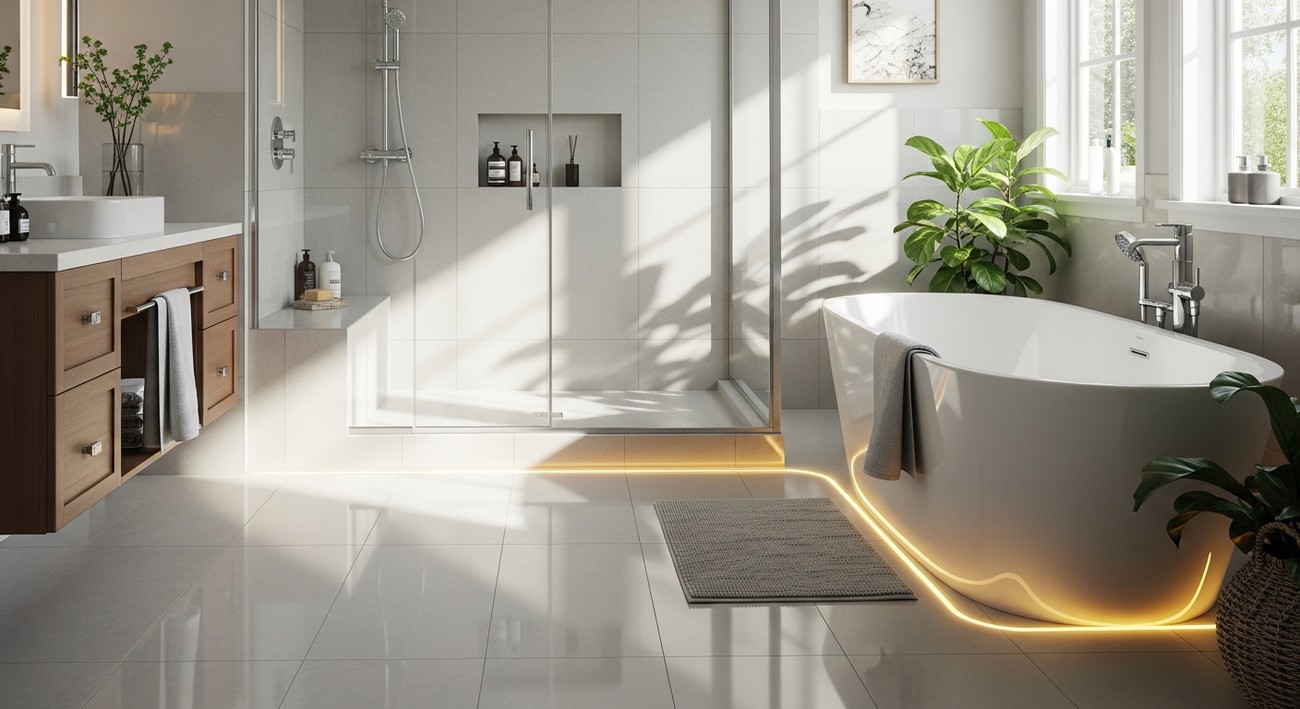
Final Thoughts
A heated bathroom floor not only adds a touch of luxury to your home but also keeps your space warm and cozy during those chilly mornings. By choosing the right system, you can enhance comfort while also boosting the value of your property. Whether you're renovating or building new in Sacramento, CA, it's worth investing time to explore the best options available for your specific needs.
If you're ready to elevate your bathroom experience, we’re here to help. At HouseIdea, we specialize in installing heated bathroom floors tailored to your lifestyle and home. Reach out to us today to schedule a consultation or request a free estimate, and let’s make your bathroom a warm and inviting retreat.
Tags: floor heating, bathroom renovation, luxury feature,