
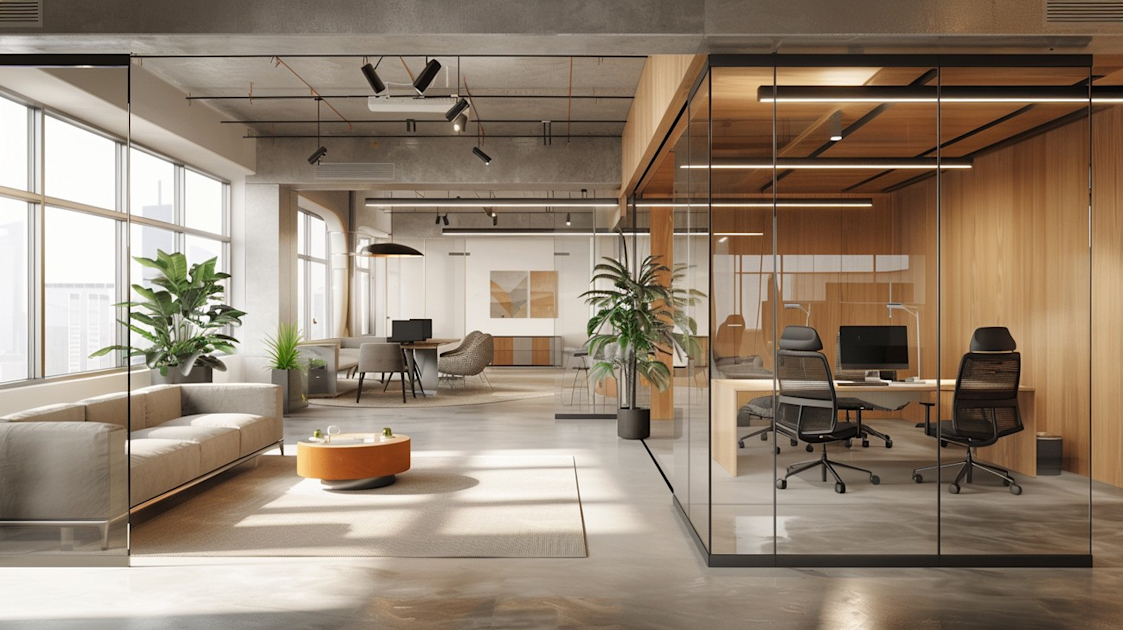


Creating a floor plan is a vital part of the design process, whether you're building a new home, renovating an existing space, or setting up a new business. A well-thought-out floor plan can enhance the functionality, flow, and aesthetic appeal of a location. In this comprehensive guide, we'll explore everything you need to know about crafting the perfect floor plan, providing you with the necessary tools and insights to optimize your space effectively.
Understanding the Basics
Before diving into the intricate details of designing a floor plan, it's crucial to start with the fundamentals. Floor plans are scaled diagrams that showcase the arrangement of rooms, furniture, and architectural features as viewed from above. They are essential tools for visualizing and organizing spaces, ensuring all elements fit seamlessly.
To effectively utilize a floor plan, you must be familiar with some foundational concepts:
- Scale: Understand the scale of your floor plan to accurately represent dimensions. Common scales include 1/4" = 1'0" for residential projects.
- Key Symbols: Learn to read and use key symbols like doors, windows, stairs, and fixtures.
- Orientation: Consider the compass direction for natural lighting and ventilation.
Setting Your Design Goals
Designing a floor plan requires a clear set of objectives. Define your priorities from the outset to ensure your space meets your needs. Common goals include:
- Maximizing Space: Ensure every square foot is utilized effectively by eliminating wasted areas.
- Enhancing Flow: Optimize layout to facilitate ease of movement and communication.
- Aesthetic Appeal: Create a visually pleasing arrangement that aligns with your style.
- Accessibility: Consider the needs of all users, including those with disabilities.
Room Layout and Zoning
Dividing your space into functional zones is key for an efficient floor plan. This stage of the design involves deciding on the placement of core spaces like living areas, kitchens, bathrooms, and bedrooms in residential plans or workstations, meeting rooms, and reception areas for a commercial layout.
Residential Zoning
- Private Spaces: Bedrooms, bathrooms, and personal study areas are typically grouped in a separate zone for privacy.
- Communal Areas: Living rooms, dining areas, and kitchens should be centrally located for easy access.
- Service Areas: Utility rooms, garages, and storage spaces are positioned at the periphery.
Commercial Zoning
- Core Functions: Place reception areas strategically to serve as the welcoming face of the business.
- Work Areas: Arrange offices and workstations for efficient team workflow.
- Support Spaces: Include essential rooms like break areas, restrooms, and storage.
Importance of Circulation
One of the most overlooked elements of floor plan design is circulation. Proper traffic flow ensures the space is user-friendly and accessible. Keep these points in mind:
- Paths and Walkways: Plan clear, unobstructed paths to connect various zones.
- Doors and Access Points: Position doors for seamless entry and exit, avoiding bottlenecks.
- Natural Flow: Arrange furniture and fixtures in ways that guide natural movement patterns.
Energy Efficiency Considerations
A well-designed floor plan can significantly impact energy efficiency. Elements to consider include:
- Windows and Lighting: Maximize natural lighting by positioning windows thoughtfully. Consider energy-efficient lighting solutions.
- Climate Control: Use insulation, ventilation, and strategic HVAC placement to maintain comfortable temperatures.
- Sustainable Materials: Choose eco-friendly materials that enhance your home’s thermal efficiency.
Utilizing Technology in Floor Planning
Modern technology has revolutionized floor plan design, making it easier and more accessible than ever before. Leveraging tech tools can refine your process:
- 3D Design Software: Use programs like SketchUp, AutoCAD, or Sweet Home 3D to visualize spaces in three dimensions.
- Virtual Reality: Immerse yourself in your design with VR tools that allow for virtual walkthroughs.
- Online Collaboration: Share plans easily with online platforms for real-time feedback from architects and stakeholders.
Furniture and Fixture Placement
Arranging furniture and fixtures plays a pivotal role in the feel and function of your space. Here’s how to ensure a practical layout:
- Scale and Proportion: Choose furniture that complements the size of the room to avoid overcrowding.
- Functionality First: Prioritize items based on their use and importance.
- Style Consistency: Maintain a cohesive design style across different rooms for visual harmony.
Furniture Arrangement Tips
- Start with larger pieces like sofas and beds, then layer in smaller items.
- Ensure enough space between furniture for comfortable circulation.
- Use multifunctional furniture to save space without sacrificing utility.
Finalizing Your Floor Plan
Once you’ve drafted your initial design, it's time to review and refine. Evaluate the plan for practicality, aesthetics, and alignment with your initial goals. Seek feedback from family, colleagues, or professional designers to gain new perspectives.
Checklist Before Concluding
- Double-check dimensions and scales for accuracy.
- Ensure all zones and functions are logically placed.
- Validate that accessibility standards are met.
- Confirm that the plan aligns with local building codes and regulations.
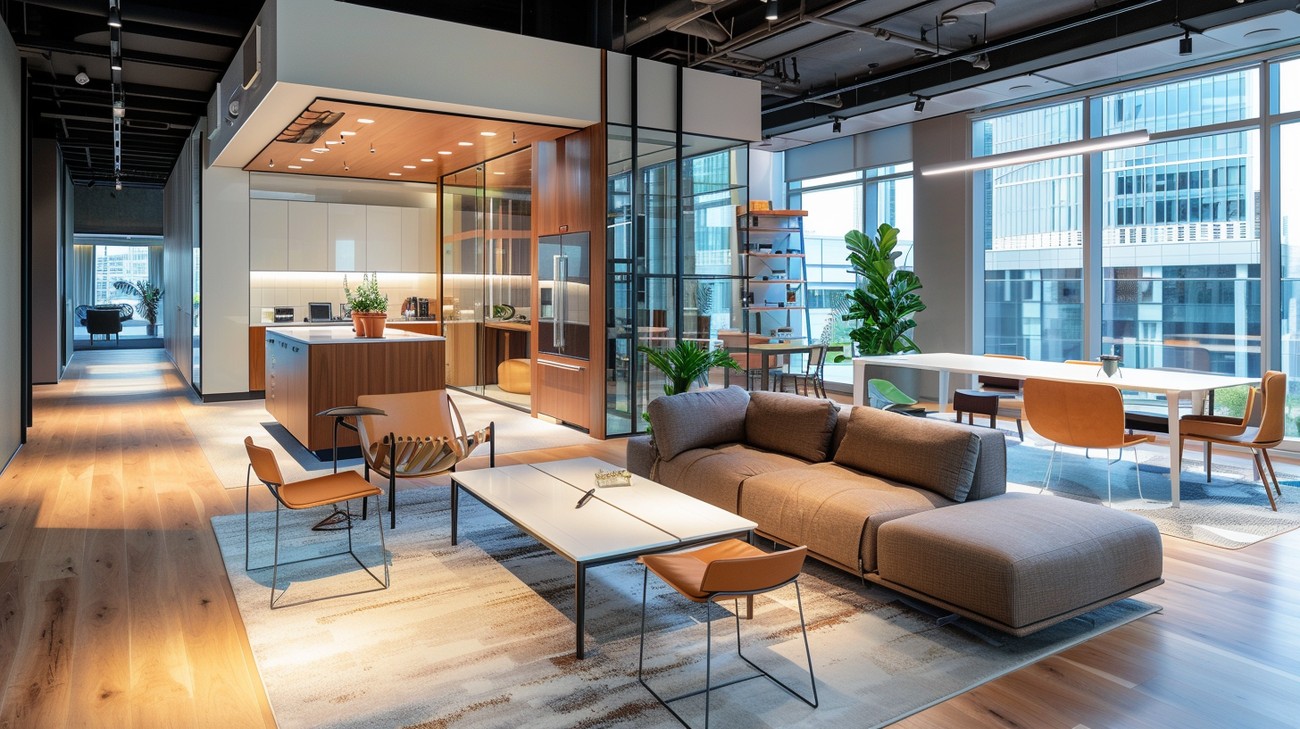
Expert Floor Plan Guide FAQ
Why should I use an expert floor plan guide?
Using an expert floor plan guide can streamline the often complex process of designing your space. It provides you with professional insights, ensuring that you maximize the use of every square foot. An expert floor plan guide can help you avoid common pitfalls, offer creative solutions to design challenges, and ensure that your layout is both functional and aesthetically pleasing. By following a tailored guide, you ensure that every element, from furniture placement to traffic flow, is meticulously planned to meet your needs.
How does an expert floor plan guide improve space efficiency?
An expert floor plan guide focuses on optimizing your space to its fullest potential. It strategically considers the placement of walls, doors, windows, and furniture. By leveraging expert knowledge, the guide identifies key areas where space can be saved or better utilized, such as underused corners or multifunctional spaces. It aims to create a layout that supports your lifestyle and business needs while reducing clutter and maximizing open areas, ultimately increasing the functionality and comfort of your space.
What features should I look for in an expert floor plan guide?
When choosing an expert floor plan guide, ensure it is comprehensive and tailored to your specific needs. Look for guides that include clear illustrations or diagrams, practical tips for various room types, and advice on flow and accessibility. It's beneficial if the guide offers flexibility for different architectural styles and accounts for future modifications or expansions. A well-rounded expert floor plan guide will also include advice on sustainable design practices and optimizing natural light and ventilation.
Can an expert floor plan guide help with future scalability?
Absolutely! An expert floor plan guide can be invaluable in planning for future scalability. It can advise on flexible layouts that accommodate growth without the need for significant renovations. The guide can highlight areas where you might anticipate changes, such as extending a room or converting a space for different use. By anticipating future needs, an expert floor plan guide can help you implement a design that adapts to your evolving personal or business circumstances, saving you time and resources down the road.
How do expert floor plan guides accommodate various building regulations?
Expert floor plan guides are designed with a comprehensive understanding of various building codes and regulations in mind. They incorporate these regulations into the design process to ensure that your plans are compliant from the outset. This includes considerations for safety features, accessibility standards, and energy-efficient designs. By using a guide that considers these elements, you can avoid costly revisions and ensure a smoother approval process when it comes time to execute your plans.
What role does an expert floor plan guide play in interior design?
An expert floor plan guide lays the groundwork for effective interior design by providing a well-thought-out layout that considers both function and form. It helps to visualize where furniture and decor can be placed to enhance the overall aesthetic while maintaining essential functionality. By adhering to the guidelines, you ensure that the interior design choices complement the architecture and flow of the space, resulting in a cohesive and harmonious environment.
How does an expert floor plan guide address lighting and ventilation?
Expert floor plan guides often include detailed sections on optimizing lighting and ventilation. They provide strategies for incorporating natural light through the strategic placement of windows and skylights and recommend artificial lighting solutions to enhance brightness and ambiance. Ventilation is similarly addressed by suggesting window placements and mechanical systems to maintain air quality and temperature control. These considerations ensure a comfortable, healthy living or working environment.
Are expert floor plan guides beneficial for small spaces?
Yes, expert floor plan guides are particularly beneficial for small spaces. They offer creative solutions to maximize every inch of limited areas. By considering vertical space and suggesting multifunctional furniture, an expert guide enables efficient use of small rooms. It prioritizes decluttering and smart storage solutions, which are crucial in maintaining a spacious feel. The guide aids in creating an illusion of more space while maintaining necessary functionality, making small spaces comfortable and visually appealing.
How do expert floor plan guides assist with budget management?
Expert floor plan guides offer valuable insights into cost-effective design practices, allowing you to manage your budget wisely. They can suggest alternative materials and methods that reduce costs without compromising quality or aesthetics. By providing a strategic plan, expert guides help to avoid unnecessary expenditures on impractical features or last-minute alterations. They can also indicate where you might splurge for impact, ensuring your investment goes towards elements that enhance your space the most.
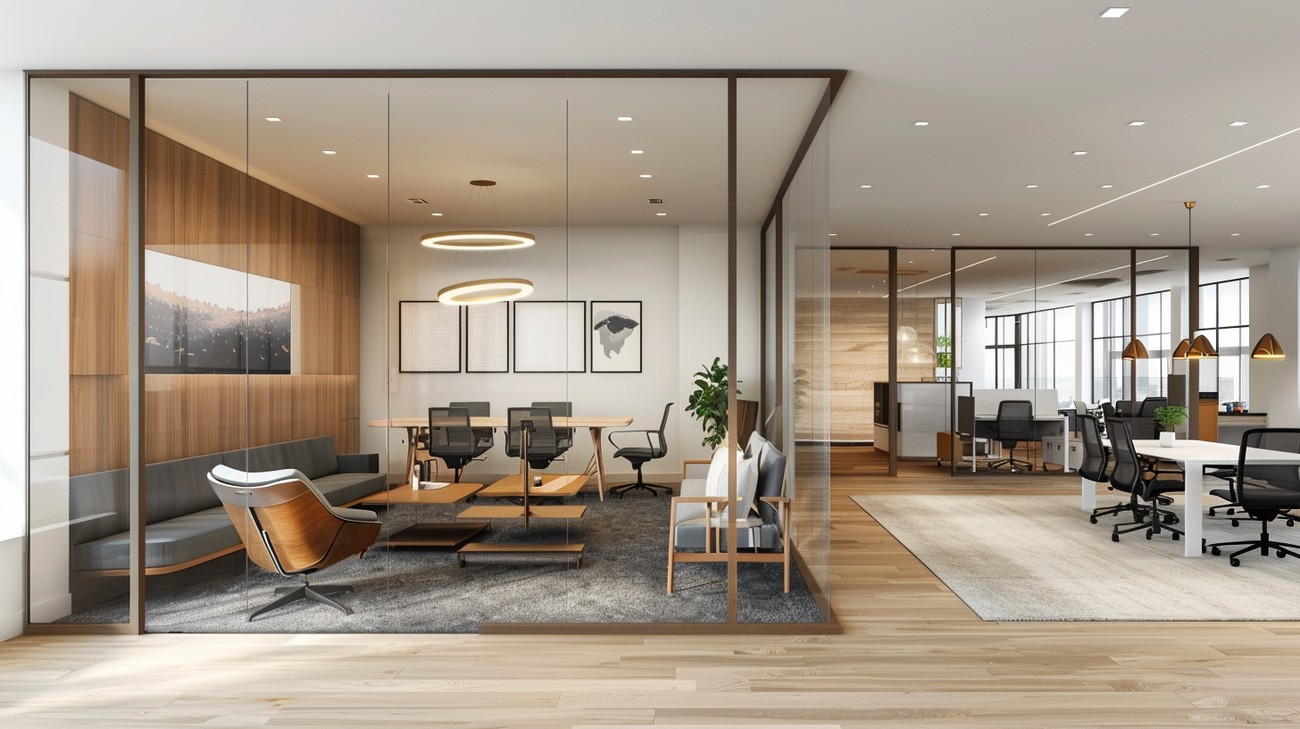
Step-by-Step Guide
Tools/Materials Needed
Before diving in, gather the following tools and materials:
- Graph paper or plain paper
- Pencil and eraser
- Ruler or measuring tape
- Colored pencils or markers
- Calculator
- Floor plan software (optional, e.g., SketchUp, RoomSketcher)
- Old floor plans or blueprints (if available)
Preparation Steps
-
Measure the Space: Start by measuring your space accurately. Use a measuring tape to note down the dimensions of each room, including walls, doors, and windows. Write these measurements down as you go.
-
Gather Inspiration: Look for inspiration online or in magazines to understand different layouts. Note down elements you like and want to incorporate.
-
Decide on a Scale: Choose an appropriate scale for your drawing, like 1/4 inch representing 1 foot. This will ensure all elements are proportionate.
-
Select Tools: Decide whether you’ll be drawing by hand or using software. If you're tech-savvy or prefer a modern approach, you might want to use design software for precision.
Detailed Instructions
-
Draw Walls: Start with the exterior walls on your graph paper or software. Use your measurements to ensure accuracy. Keep the scale in mind throughout.
-
Add Doors and Windows: Mark the locations of all doors and windows. Make sure the doors have enough space to open and indicate the direction they swing.
-
Map Out Interior Walls: Add interior walls according to the layout. If you're using existing designs, ensure dimensions match precisely with your record.
-
Incorporate Fixed Installations: Include fixed installations like kitchen cabinets, bathroom fixtures, and any built-in shelving.
-
Furniture Placement: Sketch major furniture pieces to understand the space dynamics. Consider practicality, aesthetics, and flow.
-
Refine the Layout: Once major elements are placed, refine the plan. Consider traffic patterns and how each space connects.
-
Review and Adjust: Go over the plan. Check each section for accuracy and feasibility, making adjustments as needed.
-
Add Colors and Textures: Use colored pencils or digital tools to differentiate between spaces and add texture to floors or walls.
-
Get Feedback: Share your plan with family, friends, or professionals to get another perspective.
Tips for Success
- Take Your Time: Don't rush through the process. A well-thought-out plan is worth the effort.
- Visualize in 3D: If using software, leverage 3D rendering to get a better sense of the space.
- Stay Flexible: Be open to making changes as you go. Sometimes the initial idea may need adjustments.
- Use Technology: Apps or software can offer precision and features that hand drawing cannot achieve easily.
- Research Local Building Codes: Ensuring compliance with local regulations is crucial.
What to Do If Something Goes Wrong
- Measurements Don’t Add Up: Double-check your measurements if walls and spaces don’t fit as you planned. Precision is key, so take time to re-measure if needed.
- Layout Looks Unrealistic: Seek external opinions—sometimes a fresh set of eyes can help you spot what isn’t working.
- Software Glitches: Save your work frequently and ensure that software is up to date. If using software becomes frustrating, don’t hesitate to return to paper and pencil.
- Unsure About Your Design: Collaborate with a professional designer or look for online communities for feedback and advice.

Common Mistakes to Avoid
1. Ignoring Traffic Flow
Designing a floor plan without considering the movement of people through the space often results in cramped or inefficient layouts. This mistake usually happens because of excitement to include desired features, overlooking how people will navigate around them.
How to Avoid It: Prioritize functional design by mapping out high-traffic areas and ensuring that your floor plan facilitates easy movement. Keep entryways clear and hallways wide enough for smooth passage.
If You've Already Made the Mistake: Consider rearranging furniture or decorative elements to clear pathways. You might need to consult a professional to make structural adjustments if necessary.
Expert Recommendation: Use virtual planning tools or apps to visualize traffic flow before settling on a layout.
2. Skimping on Storage
Inadequate storage space is a common oversight that can lead to cluttered living areas. Enthusiasm for open-concept living often causes this mistake, as people underestimate their storage needs.
How to Avoid It: Incorporate closets, cabinetry, and under-stair storage from the beginning. Think about the future, as storage needs may evolve over time.
If You've Already Made the Mistake: Explore creative solutions such as multi-functional furniture or installing custom shelving. External storage options like a shed or renting storage units might also help.
Expert Recommendation: Engage a professional organizer during the planning phase to ensure your storage solutions meet practical needs.
3. Overlooking Natural Light
Neglecting natural light not only affects aesthetics but also impacts energy efficiency and mood. This oversight typically occurs when individuals are preoccupied with maximizing indoor space or privacy.
How to Avoid It: Strategically position windows to capture optimal sunlight throughout the day. Consider the use of skylights or larger windows to enhance light intake.
If You've Already Made the Mistake: You can enhance existing light by using mirrors or lighter paint colors. Adding more windows or modifying existing ones is a longer-term investment to consider.
Expert Recommendation: Consult with a lighting designer or architect to make the most effective use of natural and artificial light in your space.
4. Neglecting Room Proportions
Poorly scaled rooms can feel awkward and uncomfortable, often due to a lack of attention to the relationship between room size and intended function.
How to Avoid It: Prioritize balance by ensuring rooms serve their intended purpose while remaining in proportion to the total square footage. Utilize floor plan software to experiment with different layouts.
If You've Already Made the Mistake: Rearrange furniture to better match the space proportions or consider partial renovations to adjust room sizes when feasible.
Expert Recommendation: Regularly measure and reassess your space needs before making changes to the floor plan or purchasing furniture.
5. Compromising Future Flexibility
Over-designing or making decisions based on current trends can limit future adaptability. People often overlook the importance of flexibility, focusing on immediate desires instead.
How to Avoid It: Plan for modular spaces that can be easily reconfigured to adapt to changing family needs or lifestyle changes. Use neutral color schemes and versatile materials.
If You've Already Made the Mistake: Assess potential changes, such as removing non-load-bearing walls or rethinking furniture placement, to create more versatile spaces.
Expert Recommendation: Collaborate with an architect to integrate adaptable design solutions from the start.
6. Underestimating Electrical Needs
Insufficient outlets or poorly placed lighting disrupts the functionality and convenience of a space. This often occurs when floor plan designers don't account for technological needs or future growth.
How to Avoid It: Plan your electrical layout prior to construction, considering all potential usage scenarios. Think ahead about where you'll need outlets, lighting, and network ports.
If You've Already Made the Mistake: Retrofitting might be necessary, such as adding outlets or installing smart home solutions to meet modern needs.
Expert Recommendation: Work with an electrician to evaluate and establish a comprehensive electrical plan that accommodates current and future demands.
7. Forgetting Outdoor Connections
Neglecting the transition between indoor and outdoor spaces can lead to disjointed living experiences. This happens when outdoor areas are treated as separate from the main living areas.
How to Avoid It: Design seamless transitions with patio doors, decks, or verandas that extend living spaces outward. Align outdoor spaces with interior themes and functions.
If You've Already Made the Mistake: Enhance connections through landscaping or by adding new access points such as sliding doors or pathways.
Final Thoughts
Creating an inviting and functional home starts with understanding the best floor plans for your lifestyle, and our expert floor plan guide is designed to help you navigate this crucial part of your home design journey. By considering factors like flow, natural light, and space utilization, you can craft a layout that truly reflects your needs and enhances everyday living, especially when you're making those important decisions right here in Sacramento, CA.
We’re passionate about helping homeowners like you make informed choices, and we invite you to reach out to us at HouseIdea for personalized assistance. Whether you’re looking to refine an existing plan or start from scratch, our team is ready to collaborate with you. Let's bring your vision to life—contact us today to schedule a consultation or to request a free estimate!
Tags: floor plan, expert, guide,