
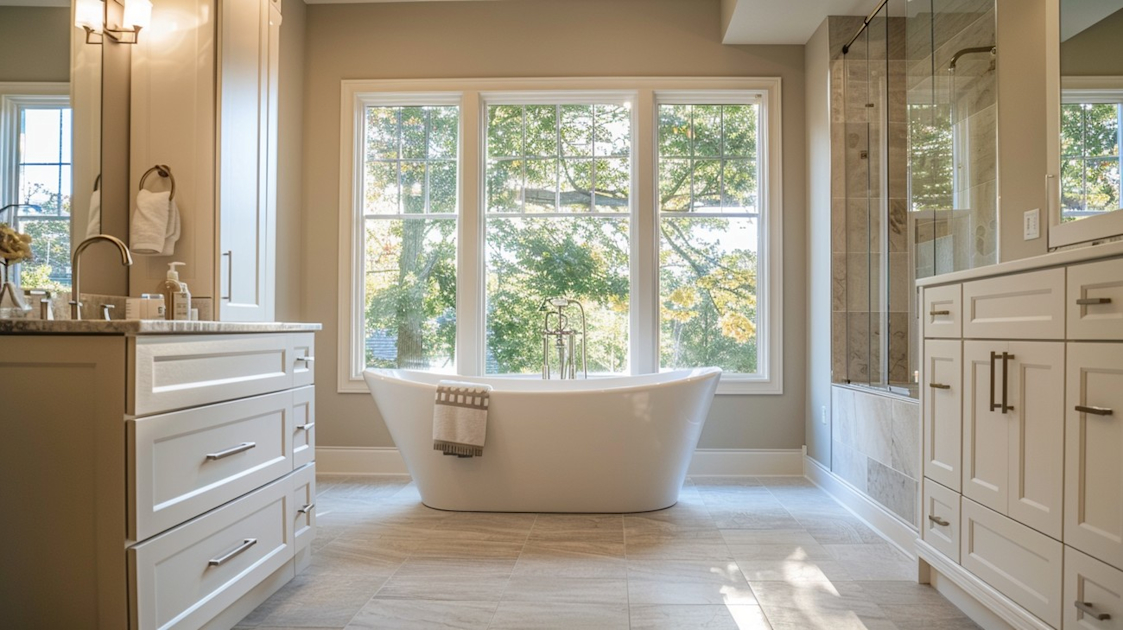


Adding a bathroom to your home can significantly boost its functionality and value. Whether you aim to enhance convenience for your growing family or increase your property value before selling, a bathroom addition is a sound investment. However, understanding the costs involved is crucial to planning your budget effectively and steering clear of unexpected expenses. In this comprehensive guide, we unpack every aspect of bathroom addition costs to help you make informed decisions.
Types of Bathroom Additions
Before diving into the financial specifics, it's essential to grasp the various types of bathrooms you might consider adding. Each comes with unique requirements and cost implications:
- Half-Bath: Also known as a powder room, it typically includes a toilet and a sink and is usually added to enhance convenience on main living floors.
- Three-Quarter Bath: Includes a shower along with a toilet and sink. This is a popular choice for guest suites or smaller spaces.
- Full Bath: Offers a complete experience with a toilet, sink, shower, and bathtub. It's ideal for a master suite or family bathroom.
- Luxury Bath: Features high-end amenities like separate soaking tubs, multiple shower heads, and premium finishes. Perfect for those looking to create a spa-like retreat in their home.
Key Factors Affecting Bathroom Addition Costs
Several factors can influence the overall cost of a bathroom addition, and understanding these can help tailor your project to your budget.
Location
- Proximity to Plumbing: Placing your new bathroom near existing plumbing can significantly reduce costs, as it minimizes the need for extensive pipework.
- Existing Space: Converting an existing space, such as a closet, into a bathroom is typically more affordable than building an entirely new extension.
Size and Layout
- Square Footage: Larger bathrooms require more materials and labor, inevitably driving up the cost.
- Complexity: Unique layouts or custom designs may require specialized labor, impacting your budget further.
Materials and Fixtures
Choosing materials and fixtures is where homeowners can exercise the most control over costs. Here are some key considerations:
- Standard vs. Premium Materials: Opting for high-end tiles, countertops, or fixtures can exponentially increase your expenses.
- Eco-Friendly Options: Sustainable materials may cost more upfront but can save money in the long run through energy efficiency.
Labor Costs
- Contractor Fees: Hiring professionals ensures quality but comes with added costs. General contractor fees may range from 10% to 20% of the total project cost.
- DIY Possibilities: Undertaking smaller tasks yourself, like painting or installing pre-made vanities, can help cut down on labor expenses.
Permits and Inspections
Don't overlook the cost of permits and inspections, which are necessary for major plumbing and structural changes. These fees vary by location but generally range from a few hundred to over a thousand dollars.
Cost Breakdown by Bathroom Type
Understanding the typical cost range for each bathroom type can help set a realistic financial expectation.
Half Bath
- Estimated Cost: Typically ranges from $5,000 to $15,000.
- Features: Comprises a toilet and sink, making it the most affordable option due to minimized plumbing requirements.
Three-Quarter Bath
- Estimated Cost: Ranges from $10,000 to $25,000.
- Features: Includes a shower, requiring more plumbing infrastructure, hence higher costs.
Full Bath
- Estimated Cost: Falls between $20,000 and $50,000.
- Features: Incorporates a bathtub, significantly increasing both material and plumbing expenses.
Luxury Bath
- Estimated Cost: Can range from $50,000 to $100,000 or more.
- Features: Boasts lavish amenities and high-end materials for a spa-like atmosphere.
Ways to Save on Bathroom Addition Costs
Adding a bathroom doesn't have to break the bank. Here are some strategies to manage costs effectively:
- Plan Thoroughly: Investing time in planning helps avoid costly changes and delays.
- Source Materials Wisely: Shop around for sales or consider gently used materials from architectural salvage stores.
- Prioritize Needs Over Wants: Identify must-haves versus nice-to-haves. This approach can help manage the budget without sacrificing essential functionality.
- Phased Upgrades: You don’t necessarily need to complete all high-end upgrades at once. Prioritize foundational work and phase in luxury features over time.
The Importance of Professional Assistance
While some elements of a bathroom addition can be DIY projects, hiring professionals for plumbing, electrical work, and other technical tasks is recommended. Their expertise ensures safety, compliance with local building codes, and an overall high-quality finish.
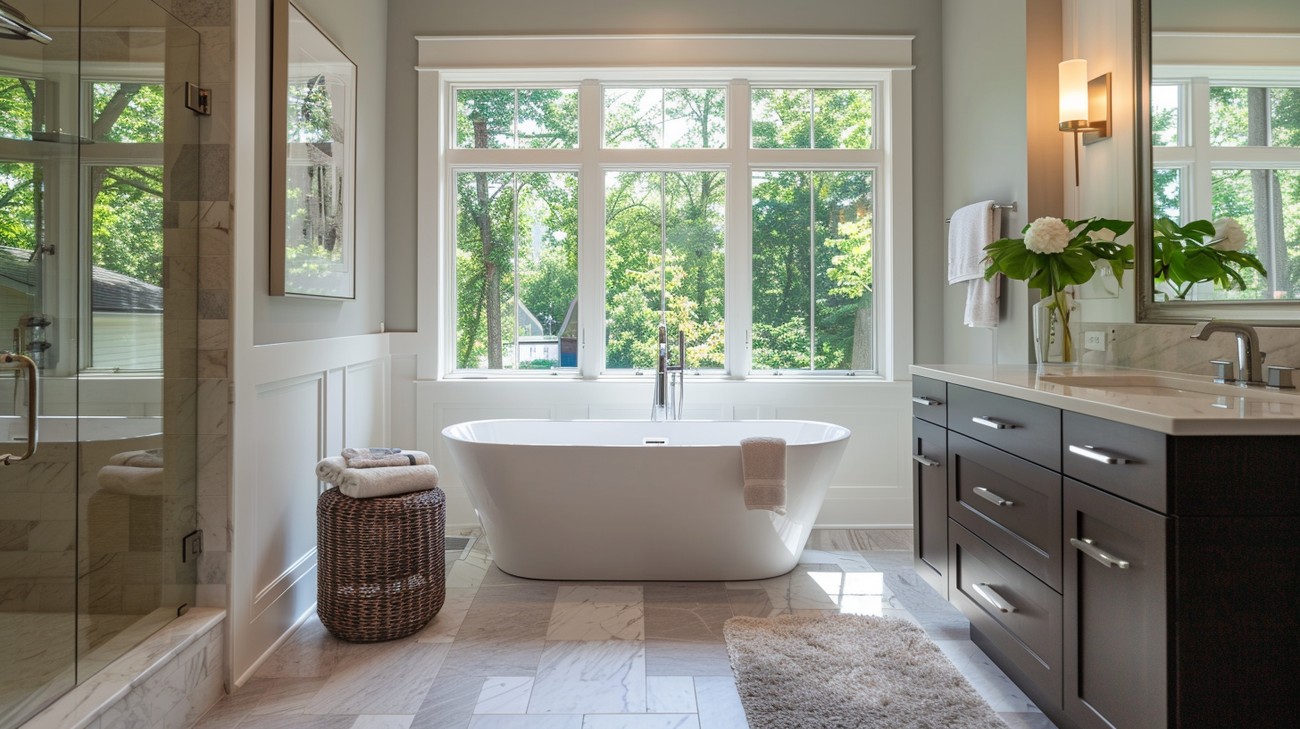
Bathroom Addition Cost FAQ
How much does it typically cost to add a bathroom?
The cost of adding a bathroom can vary significantly based on several factors, such as the size of the bathroom, the materials used, and the location of your home. On average, a standard bathroom addition cost might range from $20,000 to $50,000. High-end projects with luxury fixtures and materials could exceed $75,000. Consider consulting with a local contractor for a more accurate estimate based on your specific needs and local pricing.
What factors influence bathroom addition costs?
Several factors influence bathroom addition costs. Key elements include the size of the bathroom, quality of materials, complexity of plumbing or electrical work, and labor costs in your area. Special features like heated floors, custom cabinetry, or high-end fixtures can also quickly increase the total cost. Remodeling in cities with a higher cost of living tends to be pricier due to higher labor rates and permit fees.
How does the size of the bathroom affect the cost?
The size of the bathroom directly impacts the overall cost because larger spaces require more materials and labor. A half-bath or powder room will generally cost less to add than a full bathroom with a bathtub or shower. If you’re considering a master suite addition with a large bathroom, expect the costs to be on the higher end of the spectrum. The layout of the space can also affect the complexity and cost of plumbing and electrical installations.
Is it cheaper to convert an existing space into a bathroom?
Yes, converting an existing space, like a closet or part of a basement, into a bathroom is generally more cost-effective than building an entirely new addition. Since the structural elements are already in place, you save on foundational work and may require fewer materials. However, bathroom conversion costs can still vary widely based on the necessity of plumbing reroutes, electrical updates, and any structural changes needed to accommodate the new bathroom space.
Are there cost differences between adding a bathroom upstairs versus downstairs?
Yes, there can be cost differences when adding a bathroom upstairs compared to downstairs. An upstairs bathroom might require more extensive work, such as reinforcing the floor to support additional weight and possibly a complex plumbing system to tie into the existing setup downstairs. In contrast, a downstairs bathroom addition could involve less complicated plumbing but may still require foundational work depending on the structure of your home.
Do bathroom finishes affect the addition cost significantly?
Absolutely, the finishes you select can significantly impact your bathroom addition cost. High-end finishes such as marble countertops, designer fixtures, or custom tiles can greatly inflate your budget. Conversely, opting for cost-effective materials and fixtures can help keep your expenses in check. Planning an itemized list of essential versus nice-to-have features can assist in making budget-conscious decisions.
How do I budget for unexpected costs in a bathroom addition?
To budget effectively for unexpected costs in your bathroom addition, it’s wise to allocate an additional 10-20% of the total project cost for unforeseen expenses. These could arise from unexpected plumbing issues, electrical upgrades, or structural adjustments that become apparent once work begins. This buffer helps to ensure that you can handle any surprises without disrupting your overall renovation plan.
Are building permits required, and do they add to the cost of a bathroom addition?
Yes, building permits are usually required for a bathroom addition, and they do add to the overall cost. Permit fees vary based on your location and the scope of the project, ranging from a few hundred to several thousand dollars. Acquiring the necessary permits is critical to ensure that all work complies with local building codes and regulations, preventing potential legal issues or fines down the line.
How long does a bathroom addition project typically take?
The timeline for a bathroom addition project can vary but typically ranges from several weeks to a few months. Factors affecting the project duration include the complexity of the design, availability of materials, and any unforeseen challenges that arise during construction. Clear communication with your contractor can aid in setting realistic timelines and keeping the project on track.
Can energy-efficient features affect bathroom addition costs?
Including energy-efficient features in your bathroom addition can slightly increase initial costs due to the higher price of efficient fixtures and appliances. However, investing in water-saving toilets, low-flow showerheads, or LED lighting can reduce ongoing utility bills and contribute to long-term savings. Additionally, some regions offer tax credits or incentives for energy-efficient upgrades, which could help offset these initial expenses.
How can hiring an experienced contractor impact the overall cost?
Hiring an experienced contractor can positively impact your bathroom addition cost by ensuring efficient, safe, and compliant work. While their rates might be higher than less experienced professionals, reputable contractors reduce the likelihood of costly mistakes or delays. An experienced contractor can provide valuable guidance on material choices and design considerations that align with your budget, ultimately saving you time and money.
Should I plan to add a bathroom if I intend to sell the house soon?
Adding a bathroom can increase your home's value and appeal, potentially leading to a higher resale price. However, if you're planning to sell soon, consider whether the bathroom addition cost will be recouped in the sale. Focus on adding features that are in line with neighborhood comps and appeal to prospective buyers. Consulting with a real estate expert can provide insights into the return on investment for your specific market.
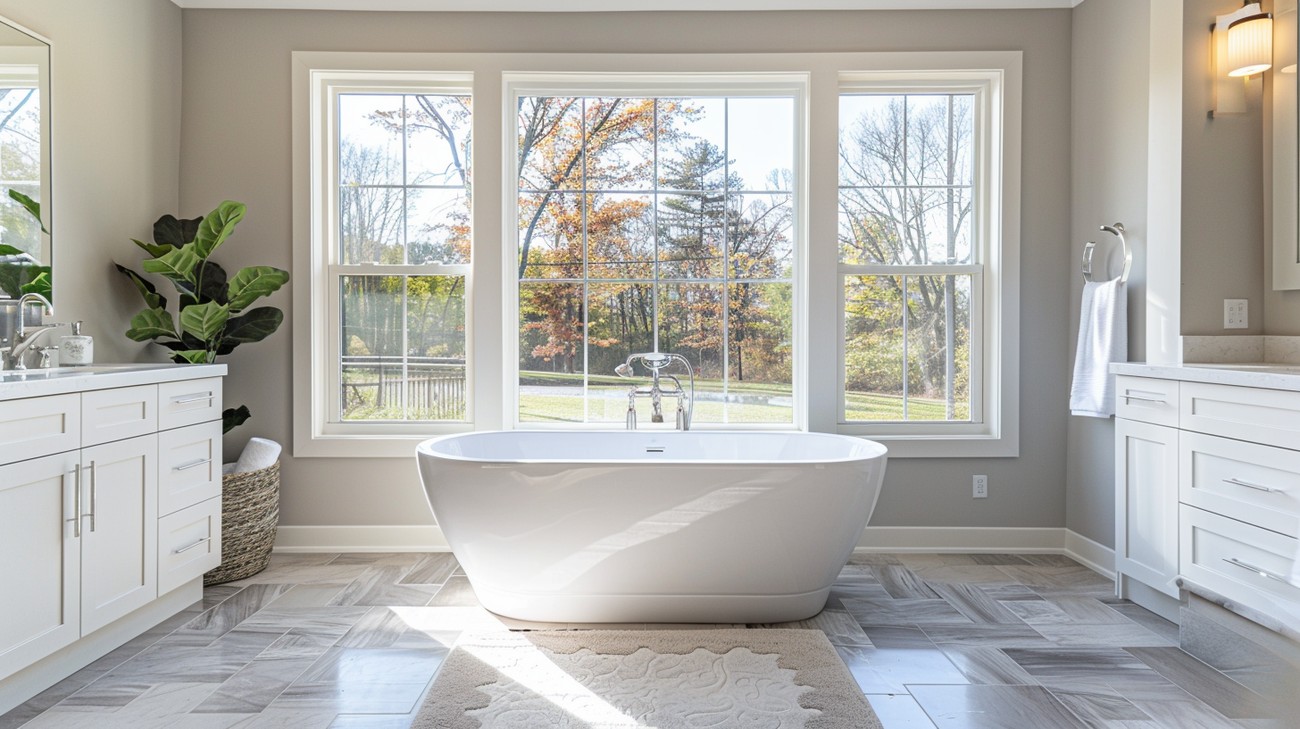
Cost Breakdown
Typical Price Ranges
The average cost to add a bathroom ranges from $5,000 to $25,000, but this can extend to as low as $3,000 or soar beyond $50,000 depending on the specifics of your project. A basic bathroom addition typically falls between $5,000 and $10,000, focusing on essential features without luxury finishes. A mid-range addition might cost between $15,000 and $25,000, providing a balance of quality and aesthetics. High-end or luxury bathroom additions, complete with premium fixtures and intricate designs, will likely start at $30,000 and can easily exceed $50,000.
Factors That Affect Cost
Several key factors will influence the total cost of your bathroom addition:
Size and Layout: The larger the bathroom, the higher the cost. A half bath will cost less than a full bath or a spa-like master bathroom.
Location: Adding a bathroom close to existing plumbing lines is usually cheaper. If you need to run new plumbing or electrical lines or reinforce structural elements, costs can rise significantly.
Materials and Fixtures: The choice of building materials and fixtures—from basic or economy options to high-end brands—greatly impacts costs. Tile choices alone can range from $1 per square foot to over $30.
Labor: Labor costs are a substantial part of the budget, varying by region and the complexity of your project.
Permits and Inspections: These can cost anywhere from $500 to over $1,500, depending on your locality and the scope of work.
Cost Comparison (Budget vs. Premium Options)
When comparing budget to premium options, a budget bathroom might include vinyl flooring, a prefabricated shower unit, and standard fixtures costing you around $3,000 to $8,000. Conversely, a premium bathroom addition offers custom tiles, upscale lighting, a soaking tub, designer vanities, and high-end toilets and sinks. Premium additions start at $25,000 and can quickly climb towards $50,000 or more, depending on the extravagance of the features and finish.
Hidden Costs to Consider
Be aware of potential hidden costs. The discovery of issues like mold or rot behind walls during construction can add $1,000 to $5,000 to your project. Additionally, if your new space requires upgraded electrical panels or HVAC modifications, expect to pay an extra $2,000 to $4,000. Unexpected delays or changes in material pricing due to supply chain issues can also impact your final bill.
Ways to Save Money
Saving money on a bathroom addition is entirely possible with strategic planning:
- DIY Where Possible: Taking on simpler tasks like painting or demolition yourself can reduce labor costs.
- Shop Around for Materials: Look for sales, discounts, or reclaimed materials for fixtures and tiles. Shopping online or at big-box retailers can yield significant savings.
- Keep the Existing Layout: Minimize plumbing changes by situating your new bathroom near existing water and sewage lines.
- Choose Stock Items: Opt for stock vanities, showers, and fixtures over custom-made options to cut costs.
- Consider a Prefabricated Extension: Sometimes, a prefabricated bathroom module can be less expensive than constructing a room from scratch.
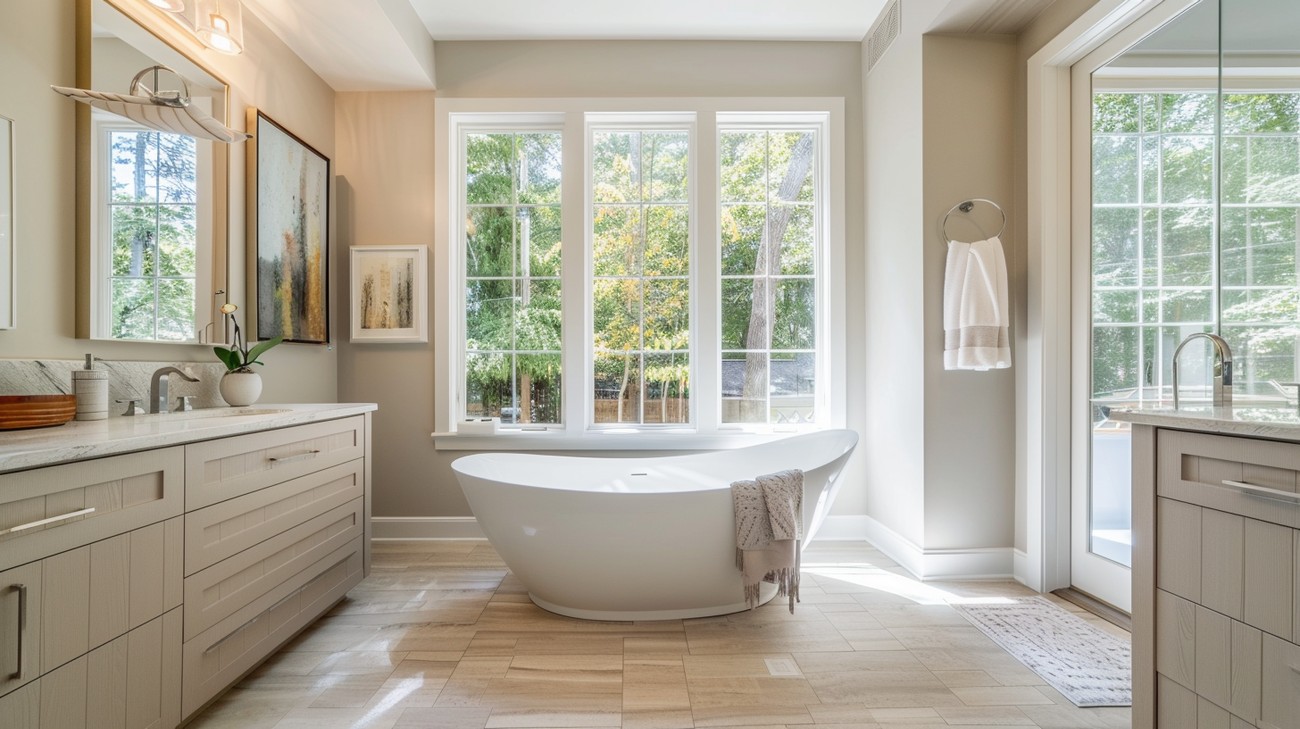
Final Thoughts
Understanding the bathroom addition cost is essential for making informed decisions about your home improvements. We’ve covered various factors that influence these expenses, from the size and layout to the finishes and fixtures you choose. Being realistic about your budget and knowing where to allocate funds can help make the process smoother and more satisfying, especially for homeowners in Sacramento, CA, looking to enhance their space.
If you’re ready to explore your bathroom addition possibilities, we’re here to help. At HouseIdea, we pride ourselves on being your trusted local expert for all your renovation needs. Whether you want to schedule a consultation or request a free estimate, don’t hesitate to reach out. We look forward to partnering with you to create the bathroom space you've always dreamed of!
Tags: bathroom addition, cost, renovation,